

The NHS ten year plan includes a focus on patient-centric care in the community, moving costs away from secondary care towards effective interventions, and reducing inequalities. Population Health Management (PHM) offers data-based techniques which can help integrated systems live up to these promises, but it is important that all stakeholders understand the how and why of this approach. The Health Economics Unit’s Phil Bucknall reflects on the value of providing a simple introduction to a seemingly complex idea.
Recently team members from Birmingham and Solihull ICB commissioning team were amongst the audience as Health Economics Unit (HEU) Director Andi Orlowski delivered his insightful King’s Fund talk on Allocative efficiency and the Smarter Spending in Population Health programme. It left such an impression, they approached us via our colleagues in the Strategy Unit to see if we could deliver some training for the rest of their colleagues in the strategic commissioning team. The HEU are regarded by many as the leading voice in the field of allocative efficiency, having successfully delivered a large programme in the Midlands applying the STAR technique.
The importance of spreading understanding
For our introduction to PHM we focused on a key an audience of 22 people from all levels across the ICB, including the commissioning team. While we had expert analytical trainers to speak to some of the more technical aspects of PHM, it’s also important to have trainers with experience of explaining the basic concepts and how techniques can benefit a system, which is where I come in. I have previously delivered background Population Health Management (PHM) training to a host of different audiences across organisations and group sizes, both in the Uk and wider afield.
Population Health Management is often a completely new concept to many healthcare professionals, so our presenters broke the session down into two parts – the background and foundations of PHM as concepts. In this part we explored segmentation, risk stratification and impactibility, and the importance of each step in delivering meaningful interventions, before getting to the STAR of the show – Allocative efficiency.
The BSol audience was engaged and keen to learn, asking many extremely pertinent questions and putting forward ideas for us all to explore as a group. It was immensely rewarding to see the concepts we were talking about being considered in real world applications, bringing life to the theory.
It was a real delight to see such enthusiasm for allocative efficiency and STAR and how it could benefit the population for whom this dedicated team wanted to do their best.
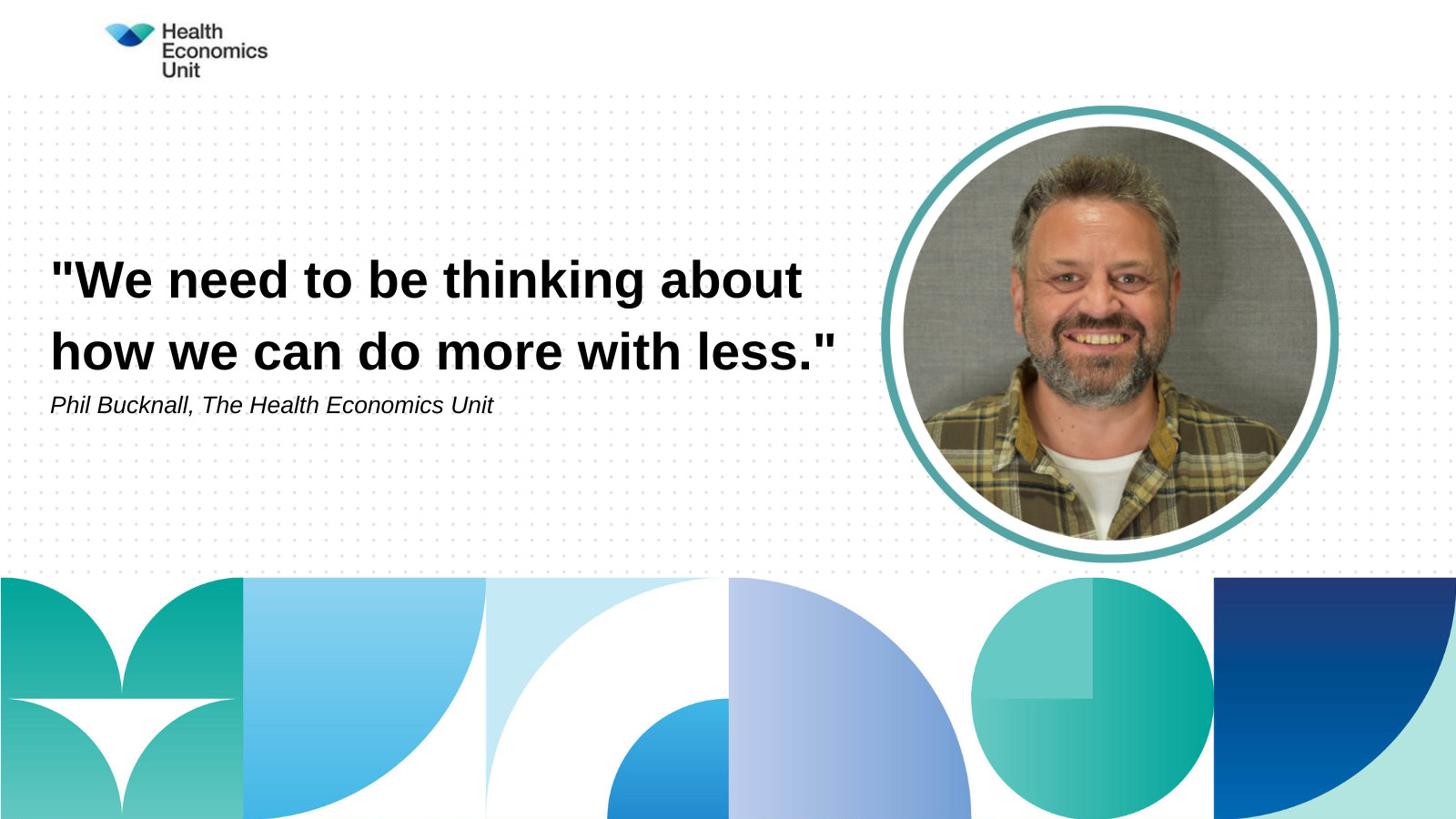
Whilst it is often said that segmentation, stratification and impactibility are the cornerstones of PHM, without good people to build on those foundations and to take the concepts and apply them they are nothing. We need to be thinking about how we can do more with less. Are we doing the right things at the right time for the right people and are we making a positive impact on our population’s health and wellbeing?
After our session I am more than confident that the people of Birmingham and Solihull have an excellent team working tirelessly for them and all of us at HEU look forward to seeing how these concepts are applied over the coming months.
So, whilst it can take many years to learn and perfect the ‘how’, it is certainly possible to understand the ‘why’ and to start thinking differently in one afternoon and maybe we should all give it a go!
I’ll leave you with a few words from Emily Heaney, Strategic Commissioning Manager, NHS Birmingham and Solihull who was instrumental in bringing this all together:
“The training was well delivered and thought provoking. The team fed back that their knowledge and understanding of PHM, as well as how to apply a PHM approach within their role has increased as a result of attending the training and, as a consequence, there has been lots of positive discussion about the application of PHM within our roles as commissioners.”
Want to talk to us about our PHM training? Contact us here.